Call Us

Hair Restoration With a Facial Surgeon's Eye for Detail

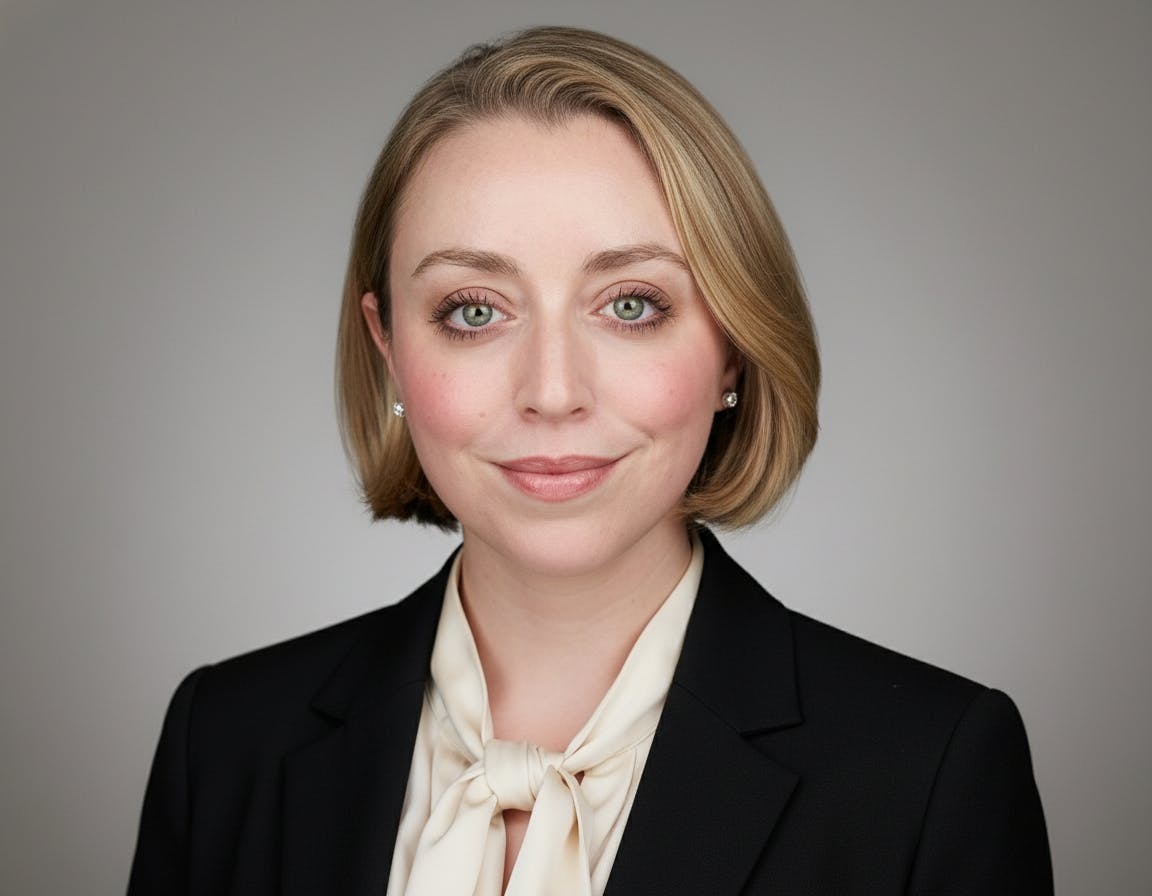
Boston Center for Plastic Surgery brings a surgeon's precision to hair restoration through Dr. Ashley Lonergan, a fellowship-trained facial plastic surgeon who specializes in surgery of the face, neck, and scalp. Her training pairs an understanding of blood supply, nerve pathways, and scalp anatomy with an aesthetic eye for facial rejuvenation. Schedule a consultation with Dr. Lonergan to see whether this approach fits your goals.

man in a red shit

What Is Follicular Unit Transplantation?

Follicular Unit Transplantation, often called FUT or the strip method, is a surgical hair restoration technique that moves hair from a denser area of the scalp, usually the back of the head, to areas with thinning or no hair. The surgeon removes a thin strip of donor scalp and closes the incision, then divides that strip under magnification into individual follicular units, the natural clusters of one to four hairs that grow together, before placing them into the thinning areas. Because an entire strip is harvested at once, FUT can yield a higher graft count in a single session, making it a common choice for patients restoring larger areas of hair loss.
Benefits of Follicular Unit Transplantation

Patients choosing FUT often cite benefits such as:

  • A higher potential graft yield in a single session, useful for larger areas of thinning
  • Efficient use of available donor hair
  • One well-concealed linear scar rather than scattered extraction marks
  • Hair that grows and behaves like the surrounding hair once established
  • Fewer sessions needed to reach substantial coverage

Am I a Good Candidate for FUT?

Good candidates for FUT typically have a stable hair loss pattern and enough donor density at the back and sides of the scalp to support a strip harvest, along with a preference for moderate hair length over very short styles, since the donor site heals as a single linear incision. During a consultation, Dr. Lonergan evaluates scalp laxity, hair density, and goals to determine whether FUT or another approach is the better fit.

Banner media
lonergan headshot

Why Choose Boston Center for Plastic Surgery for FUT?

Dr. Lonergan's path to hair restoration runs through facial plastic surgery rather than around it. She completed a competitive five-year residency in Otolaryngology, Head and Neck Surgery at the University of California, Irvine, followed by a fellowship with the American Academy of Facial Plastic and Reconstructive Surgery under Dr. Edwin Williams and Dr. Keimun Slaughter. That surgical foundation in facial and scalp anatomy informs her approach to graft placement and incision closure.

Your Consultation

A consultation with Dr. Lonergan starts with a close look at your hair loss pattern, donor supply, and scalp characteristics, along with your goals for recovery and results. She walks through whether FUT is the better fit compared to other hair restoration methods, answers your questions, and sets realistic expectations before any decisions are made.

How Much Does It Cost?

The cost of FUT varies based on the number of grafts needed, the complexity of your case, and the extent of donor harvesting required. Because every treatment plan is customized, Dr. Lonergan provides a personalized estimate once she has evaluated your scalp and discussed your goals. The practice also offers financing options to help make treatment more accessible.

What to Expect During FUT Treatment

Before Your Procedure

In the days before your procedure, Dr. Lonergan provides guidance on preparing your scalp and hair and on medications or supplements to avoid due to bleeding risk. The donor and recipient areas are measured and mapped so the harvest and placement plan is set in advance.

Donor Strip Harvest and Graft Preparation

Once the treatment area is numbed with local anesthesia, Dr. Lonergan removes a thin strip of scalp from the donor area and closes the incision. The strip is then divided under magnification into individual follicular units, which are kept in a protective solution until they're ready to be placed.

Graft Placement

Dr. Lonergan creates tiny recipient sites in the thinning areas, angling and spacing each one to match the natural direction of your existing hair. The prepared follicular units are placed into these sites one by one, a meticulous process that can take several hours depending on how many grafts are being transplanted.

Background media

FUT Recovery

Most patients return to light daily activities within a few days, though strenuous exercise and heavy lifting are typically restricted for a couple of weeks while the donor incision heals. Mild swelling, tenderness, or numbness at the donor site is common in the first several days and generally resolves on its own. Sutures are removed roughly one to two weeks after the procedure.

Transplanted hairs often shed within the first few weeks, which is a normal and expected part of the process rather than a sign the transplant failed. New growth typically begins around three to four months later, with fuller results continuing to develop over the following months.

Logo media

FUT Results

Visible new growth typically begins within three to six months, with results continuing to fill in and mature over the course of a year as the transplanted follicles establish themselves. Because the grafts are taken from hair that's naturally resistant to the hormone that causes pattern hair loss, results are intended to last, growing and behaving like the rest of your hair over time.

Banner media

Complementary Hair Restoration Treatments

  • PRP for Hair: A non-surgical treatment that uses your own platelet-rich plasma to support hair growth, often paired with surgical restoration for added coverage.
  • Nutrafol: A physician-recommended supplement formulated to support hair growth and scalp health from within.

Follicular Unit Transplantation FAQs

What's the difference between FUT and FUE?

FUT removes a single strip of scalp to harvest follicular units, while FUE extracts individual follicles one at a time without a linear incision. The best option depends on how many grafts you need, your donor hair characteristics, and your preference around scarring and hairstyle flexibility.

How is FUT different from non-surgical treatments like PRP or Nutrafol?

FUT is a surgical procedure that physically relocates hair follicles to thinning areas, while PRP and Nutrafol work with your existing hair to support its health and growth rather than adding new follicles. Some patients use the non-surgical options to maintain results after FUT, while others try them before considering surgery.

Can I color or style my hair normally after recovery?

Most patients can return to their usual hair care routine, including coloring and styling, once the scalp has fully healed. Your post-procedure instructions include specific guidance on when it's safe to do so.

Is FUT painful?

The procedure is performed under local anesthesia, so most patients feel pressure rather than pain during the harvest and placement. Some tenderness at the donor site is common for the first few days afterward and is typically managed with over-the-counter or prescribed medication.

Are there risks associated with FUT?

As with any surgical procedure, FUT carries risks such as infection, bleeding, or a donor scar that's wider or more visible than expected. Dr. Lonergan reviews your individual risk factors and how they're minimized during your consultation.

Can women have FUT?

Yes. FUT can be an option for women experiencing certain patterns of hair thinning or loss, depending on donor hair density and the cause of the hair loss.

Will my results look natural?

Dr. Lonergan plans graft placement to follow your natural hair direction, density, and growth pattern, aiming for a hairline and overall look that blends with your existing hair rather than appearing obviously transplanted.

Start Your Hair Restoration Journey

Lasting hair restoration starts with the right technique and a surgeon who treats scalp and facial anatomy as one connected system. Schedule a consultation with Boston Center for Plastic Surgery to find out whether Follicular Unit Transplantation fits your hair restoration goals.

Background media
Accessibility: If you are vision-impaired or have some other impairment covered by the Americans with Disabilities Act or a similar law, and you wish to discuss potential accommodations related to using this website, please contact our Accessibility Manager at (617) 450-0070.
Contact Us