22 Jul 2026 | by Sean Doherty, MD, FACS
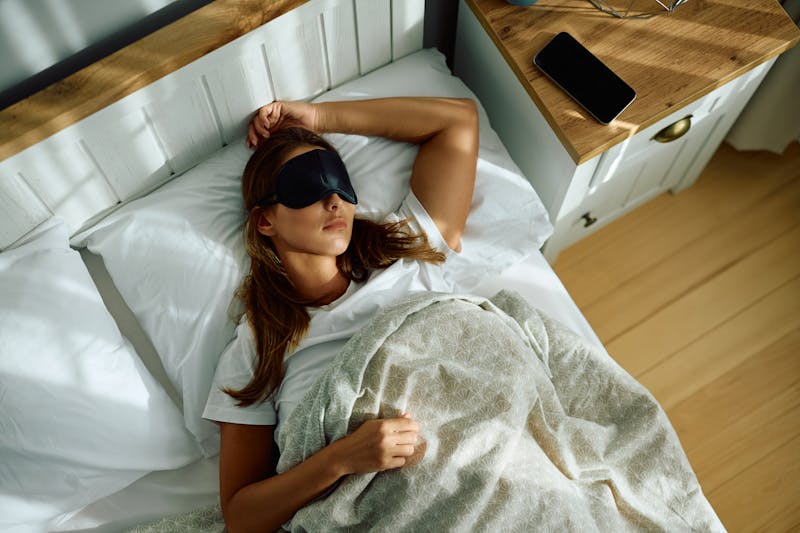
Getting enough sleep is one of the best things that you can do for maintaining excellent health in general, but it is particularly critical following any surgical procedure. Sleep is literally when your body restores and heals itself. It promotes tissue regeneration, lowers inflammation, and boosts the immune system, which are all things that we want happening after a breast augmentation, for example. However, certain body contouring procedures may require that you sleep in a different position than normal. This can be challenging.
But as a Board-Certified Plastic Surgeon who specializes in body contouring, I have a lot of tips and tricks for guiding my Boston area patients to the best ergonomic positioning and sleep modification for post-op recovery. It is something that I go over in detail during our pre-op appointments so that you know exactly what to expect and can purchase any necessary equipment such as wedge pillows well before surgery. Here are some things that you may want to consider, depending on your procedure of choice.
Sleep is Fundamental for Healing
Getting enough rest is crucial after any kind of body contouring procedure, such as:
Deep sleep, when your body drops into a slow-wave state, is when it releases growth hormones, which help to regenerate your tissues, muscles, and ligaments. The body also produces cytokines during sleep which boosts the immune system, helping to reduce the risk of infection and aiding cellular repair. These are all things that are critical following surgery. Good sleep can also help lower your cortisol levels, which may reduce inflammation and thus minimize any post-op pain and/or discomfort. Furthermore, post-op healing requires a lot of energy, and sleep is how the body rebuilds its daily energy reserve.
Ergonomic Sleep Positioning Post Body Contouring in Boston
When you come in for your initial consultation and pre-op appointments, we will discuss in detail your sleep habits, including your typical sleep position. If you are having any type of breast surgery, which includes:
- Breast Augmentation
- Fat Grafting to the Breast
- Breast Lift
- Mastopexy Augmentation
- Breast Reduction
I want all of my breast surgery patients to sleep with their head elevated for at least a week. This helps to further reduce post-op swelling, which will not only speed up your recovery but also decrease any discomfort. Furthermore, if you are a side sleeper, you are going to sleep on your back for 1-2 weeks post-op. I have found that the best way to accomplish this is for a patient to build a “pillow” fort that literally prevents the body from turning over during the night. As mentioned, my office has contact resources for specific pillows that may be helpful, including wedge pillows.
Tummy Tuck & Liposuction Post-Op Sleep Position
As with breast surgery, I want my tummy tuck patients to sleep on their backs and with a bend at the waist for at least 1-2 weeks after surgery. Recovery from an abdominoplasty can be robust, so planning optimal sleep hygiene for your specific anatomy and natural sleep position is a pre-op focus for my team. The best ergonomic sleep position after liposuction depends on the treatment area. Obviously, if we do your abdomen, I don’t want you sleeping on your stomach, and if we address the flanks, it’s best not to sleep on your sides for 2 weeks after surgery. I realize that all of this may seem daunting, but my team and I do everything in our power to help ensure that you are properly prepared so that you can get the sleep you need to recover as quickly as possible.
To find out more about a breast surgery, tummy tuck, liposuction, or any other surgical or non-surgical procedure with Dr. Sean Doherty or his team at his Boston or Chestnut Hills office, contact us today or call (617) 450-0070 to schedule a consultation.